
01-17-2026, 11:45 AM
Haven't been doing much with radios these days but did work on these projects:
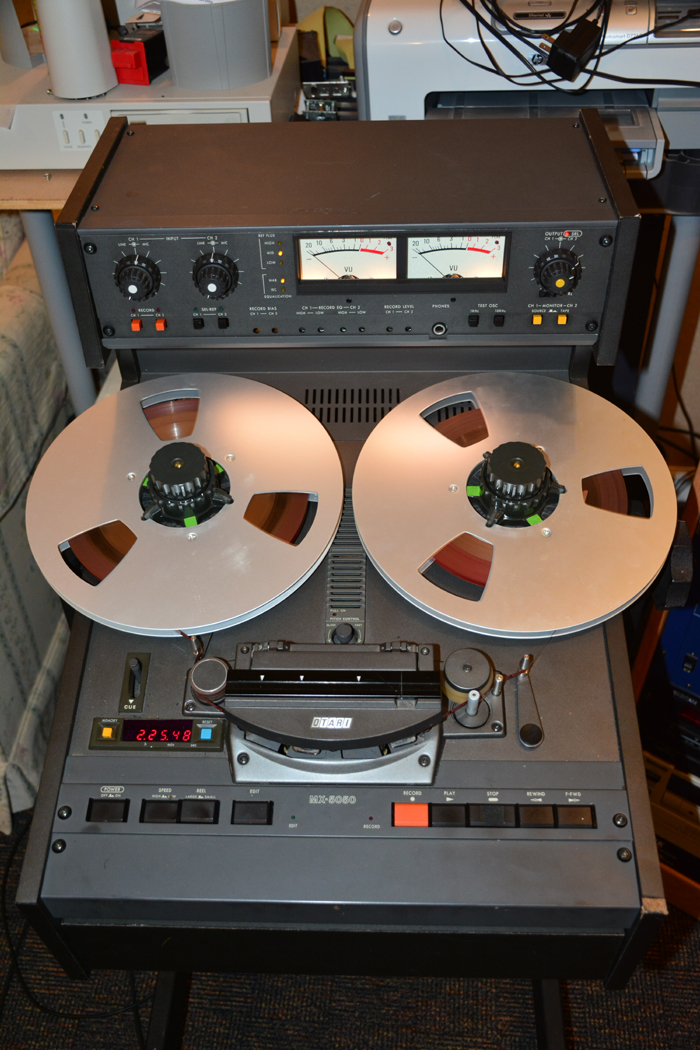
Otari MX5050 MKIII-2 1/2 track with 1/2 track and 1/4 track playback heads. It only records 1/2 track. The amplifier, bias section, power supply have been recapped with Nichicon and Panasonic electrolytics. Transport control logic board has not been recapped but works perfectly. The heads have been lapped to remove wear from studio use over the years. The machine is working great and sounds awesome. I needed a half track machine because I have a bunch of 1/2 track masters from the 70's of organ recordings for several LP's. I found this one on the Reverb web sight and bought it knowing it would neeed a lot of work. Unfortunately tape from the 70's experiences sticky, shedding syndrome caused by the binder absorbing moisture. I had to bake the tapes in a food dehydrator before they could be played to make digital copies. Fun project!
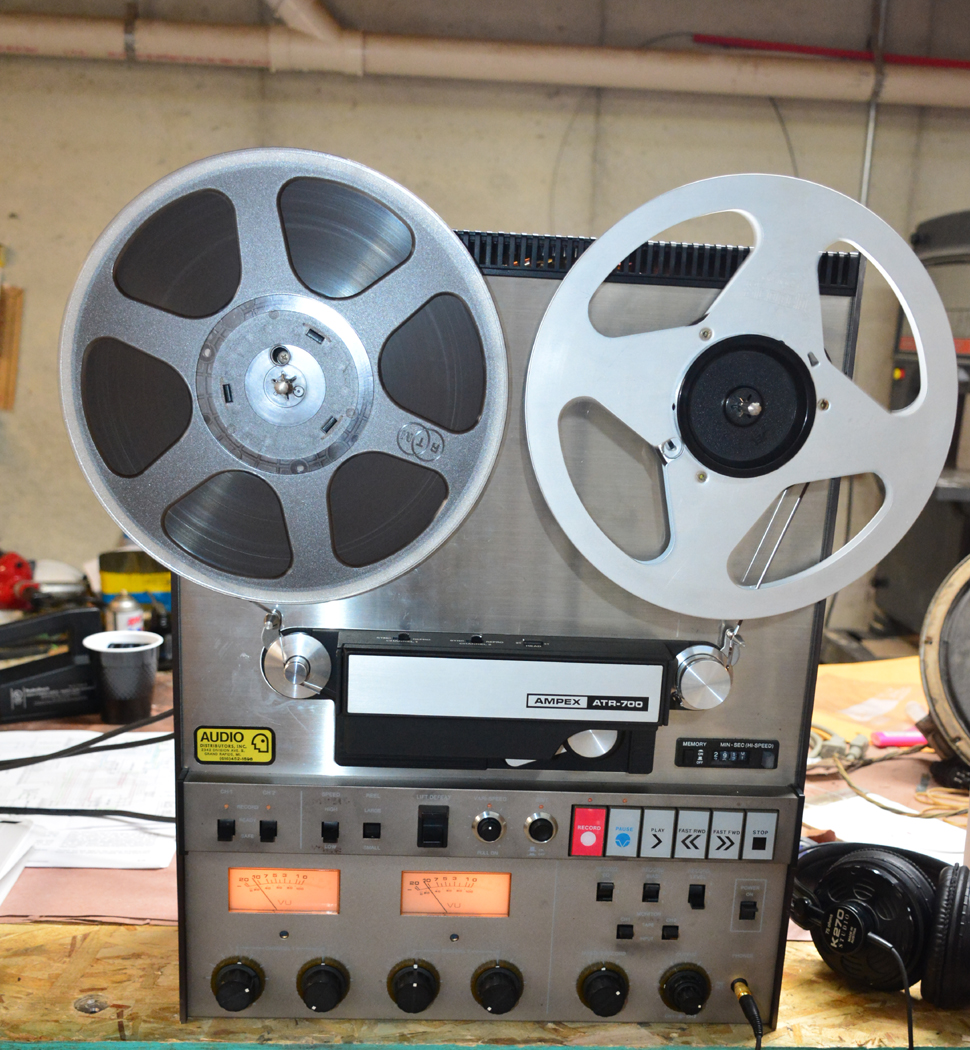
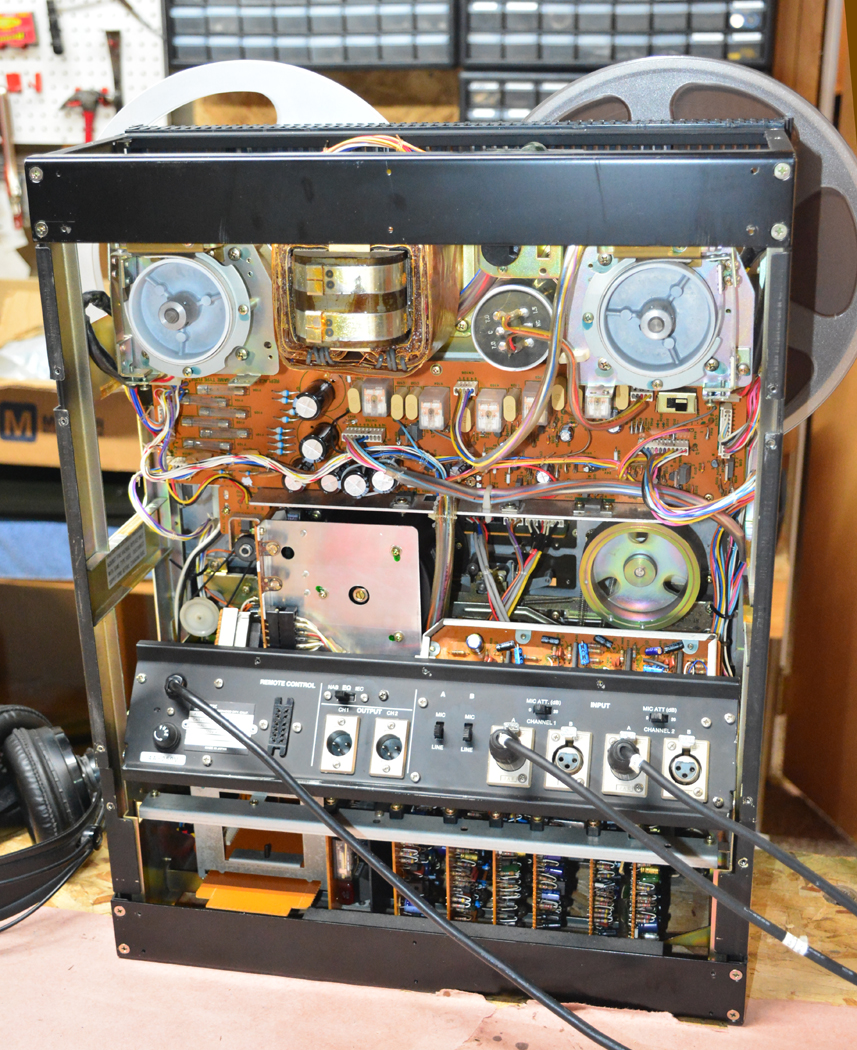
Ampex ATR700 (made by Teac for Ampex) 1/4 track deck. Every electrolytic has been replaced with Nichicon or Panasonic caps. The heads were lapped on this machine as well. This machine is working well and sounds great. I've had this deck for years but rarely used it until a friend needed a couple of old tapes transferred to digital. Managed to get it done but it was obvious the machine needed work. It piqued my interest in getting it done.
I'm waiting for an alignment tape from Magnetic Reference Laboratory so that I can get the machines calibrated properly for head azimuth, record levels and response curves for NAB and IEC recording equalizations. Tape speed has been calibrated using a marked piece of tape at 300 inches and used a stop watch to calibrate.
Both machines are 2 speed, 7.5 ips and 15 ips and are considered semi-pro machines. They were often used in radio stations and recording studios to make copies of master tapes. They certainly are not Studer's, or high end Ampex used as the primary recording machine. But they are good enough for my needs.
Otari MX5050 MKIII-2 1/2 track with 1/2 track and 1/4 track playback heads. It only records 1/2 track. The amplifier, bias section, power supply have been recapped with Nichicon and Panasonic electrolytics. Transport control logic board has not been recapped but works perfectly. The heads have been lapped to remove wear from studio use over the years. The machine is working great and sounds awesome. I needed a half track machine because I have a bunch of 1/2 track masters from the 70's of organ recordings for several LP's. I found this one on the Reverb web sight and bought it knowing it would neeed a lot of work. Unfortunately tape from the 70's experiences sticky, shedding syndrome caused by the binder absorbing moisture. I had to bake the tapes in a food dehydrator before they could be played to make digital copies. Fun project!
Ampex ATR700 (made by Teac for Ampex) 1/4 track deck. Every electrolytic has been replaced with Nichicon or Panasonic caps. The heads were lapped on this machine as well. This machine is working well and sounds great. I've had this deck for years but rarely used it until a friend needed a couple of old tapes transferred to digital. Managed to get it done but it was obvious the machine needed work. It piqued my interest in getting it done.
I'm waiting for an alignment tape from Magnetic Reference Laboratory so that I can get the machines calibrated properly for head azimuth, record levels and response curves for NAB and IEC recording equalizations. Tape speed has been calibrated using a marked piece of tape at 300 inches and used a stop watch to calibrate.
Both machines are 2 speed, 7.5 ips and 15 ips and are considered semi-pro machines. They were often used in radio stations and recording studios to make copies of master tapes. They certainly are not Studer's, or high end Ampex used as the primary recording machine. But they are good enough for my needs.