

06-11-2026, 09:22 AM
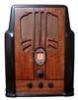
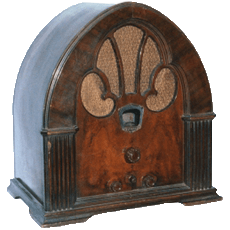
Bob, interesting radio! It was common to see 4 tube TRF sets with RF, biased "power" detector, AF and rectifier, but these were some of the first really cheap series string sets from 1933 /1934 the deep throes of the depression (examples being the Emerson 25 and RCA R-17M Lunchbox). with 3 6V tubes such as 39 RF amp, 36 Detector, 38 AF and amazingly, a 37 (6V version of the 27) triode wired grid to plate and used as a rectifier.
This is similar but they spent the bux on a power transformer, 80 and a 2A5 (2.5V version of a 42 or 6F6.
I have to try the TSP on the aluminum. Several Pholks here have cleaned tuning caps in aqueous solutions of some detergent / chemical in an ultrasonic cleaner. At least one person used a dishwasher. I agree that water is not good for electronics when said electronics are powered but I also wonder how many electronic components are washed in water during manufacture. The trick is total dryness (and total washing off of any ionic chemicals) prior to powerup.
My copies of the NRI radio course (which I can't find) had a lesson on repairing radios damaged by floods, which had the statement "To clean mud and debris from a chassis, wash with a jet of water from a garden hose. Since the radio is already damaged, you are not going to damage it any more than it is." They also had an example of a drying oven built out of wood, some vents and several light bulbs as heaters. Therefore, IMHO, washing a radio chassis is not as crazy as it sounds. Washing a speaker (without expecting to recone it) may be a different story.
"Do Justly, love Mercy and walk humbly with your God"- Micah 6:8
"Let us begin to do good"- St. Francis
Best Regards,
MrFixr55