


07-28-2026, 11:16 AM
I think the directly heated tubes are more trouble for noise on the filament supply since even the voltage gradient from one end of the filament to the other affects operation. Were the 2V tubes indirectly heated? There the cathode is grounded and even probably shields the other tube elements from noise?
Anyway, good info on the tube filament voltage and thanks Arran for the zener idea. Right now I am powering the converter from 6V (4 cells) and was going to also for the LM317 if I use that. If I go with just a single battery it also removes the zener need I think.
The modules I’m using are from Amazon but still are fairly cheap builds. But they seem to work ok besides the normal quirks they each bring. Same for the low-pass pi filters I may or may not use. Very handy for cobbling things together if you don’t want a wall wart or to draw up your own board. ?
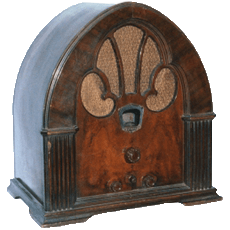
The reason this is kind of odd and out of order is it’s not my radio and I didn’t want to power it up until I got all the caps replaced and such. Being a tube noob I just followed the lead in the battery articles I could find but then didn’t realize how sensitive direct-heated cathodes were to noise especially in the detection and amplification stages.
And I agree. At the low currents involved (about 200mA total) I wouldn’t expect much sag on a new battery.
It’s an adventure and I learned a lot so far. My friend was really hoping I could get his grandfather’s radio working again and that’s at least done. Not perfect yet but not bad. The dc converter really does cause problems in this application. Makes sense though.


